
PROJECT CARGO | SPAIN – COSTA RICA
What Project Cargo Operation Is SCL Coordinating?
Sea Cargo Logistics (SCL), in collaboration with IPC, our freight forwarding partner based in Spain, is coordinating the international transportation of a pneumatic separator from Salces, Cantabria, Spain, to Guanacaste, Costa Rica.
The operation begins at the cargo origin in Salces, continues by inland transportation to the Port of Bilbao, and then moves by sea to the Port of Moin in Costa Rica. After arrival, the cargo will undergo a specially planned handling stage near the port before continuing to its final destination in Guanacaste.
The ocean leg between Bilbao and Puerto Moin covers approximately 13,300 kilometers. Including the inland stages in Spain and Costa Rica, the complete project will exceed 13,700 kilometers once final delivery is completed.
What Makes the Cargo Particularly Challenging?
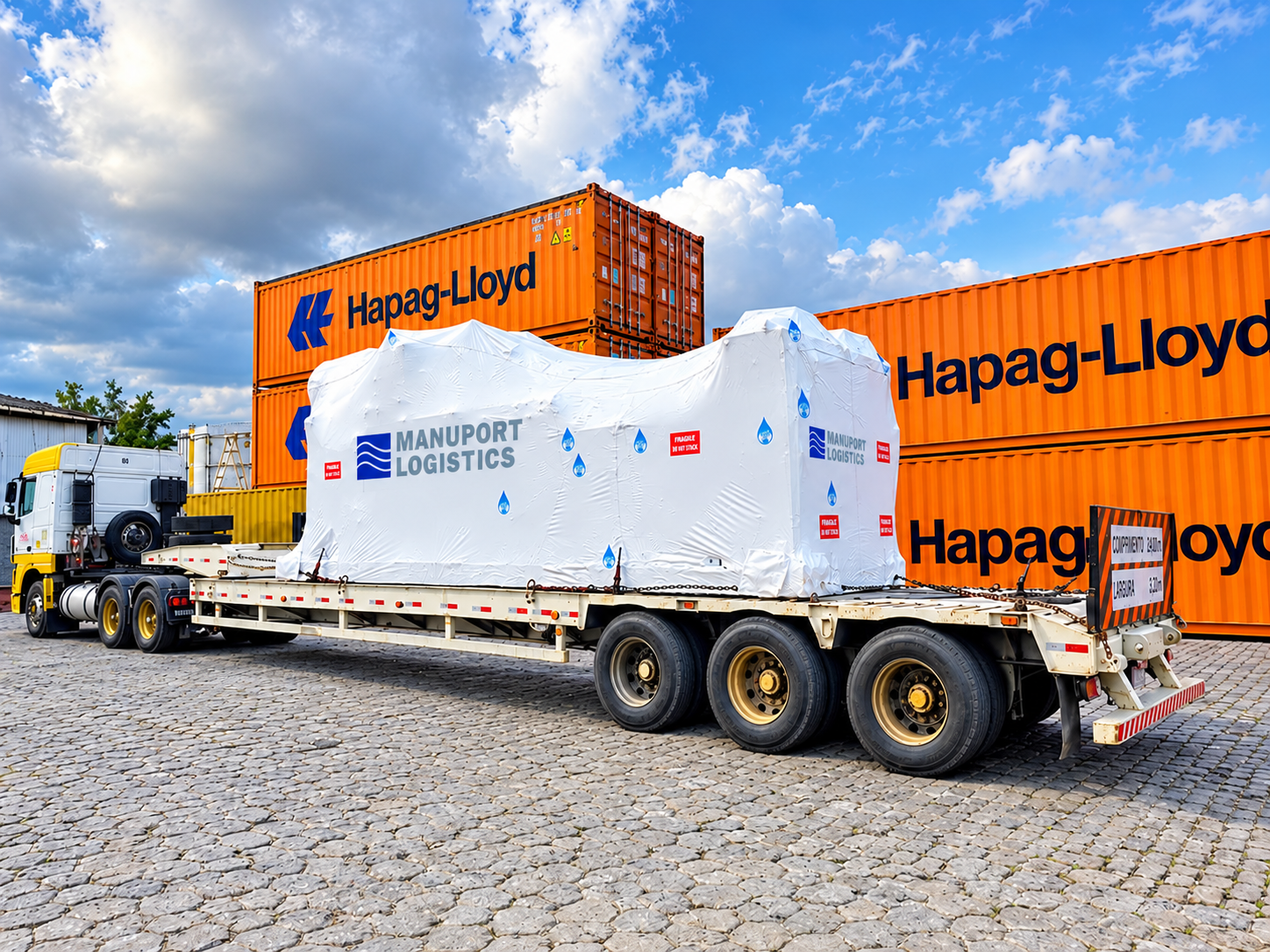
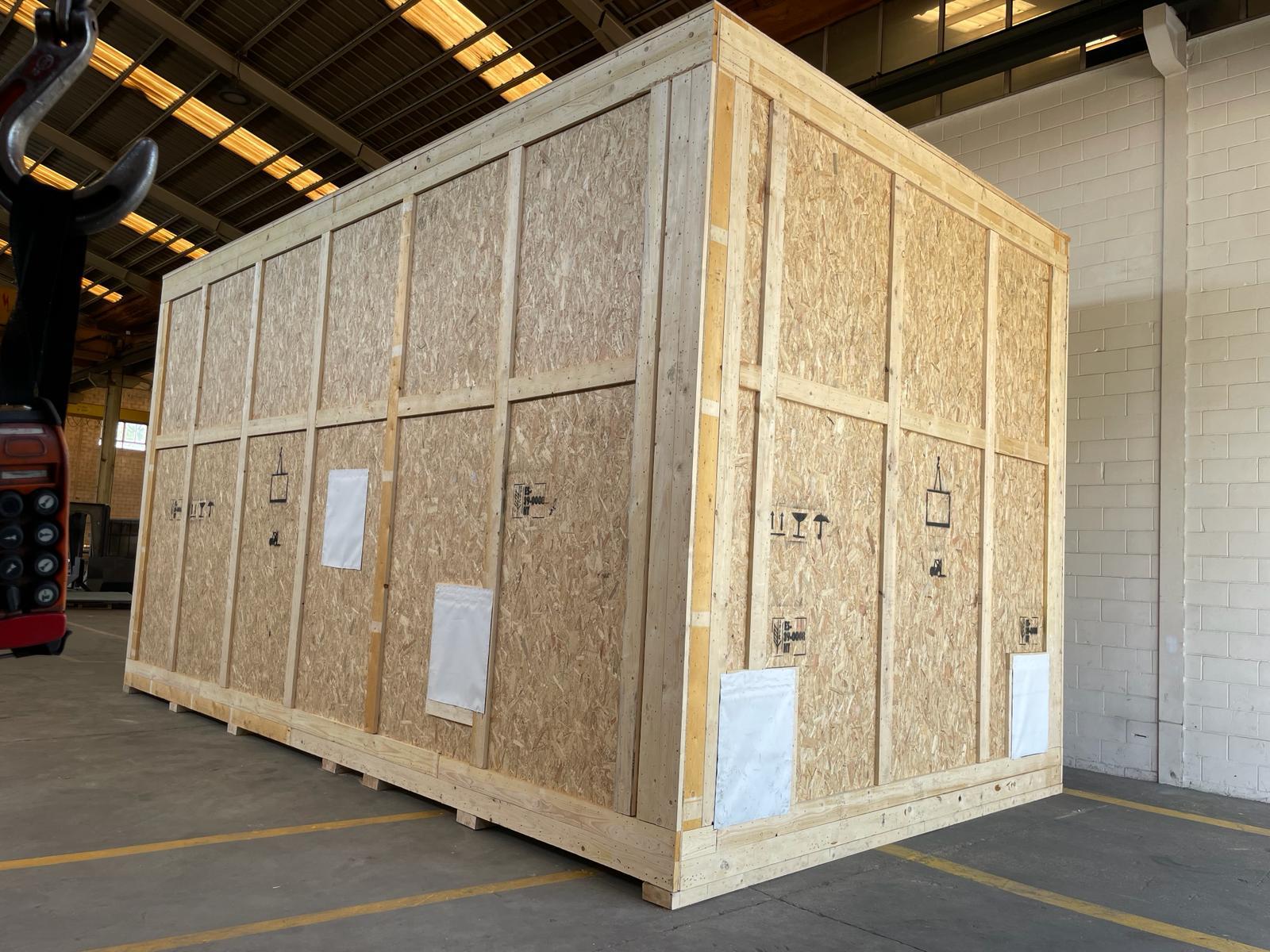
The pneumatic separator has a gross weight of 16,400 kg and measures 7.80 m long, 4.80 m wide, and 5.00 m high.
Although the unit weighs 16.4 metric tons, weight is not the defining challenge of this operation. Its 5.00-meter overall height is the critical factor, because the piece cannot be moved as a single unit along the required inland route in Costa Rica due to available bridge clearances.
This dimensional restriction meant that a conventional port-to-door movement was not feasible and the delivery strategy had to be redesigned before the cargo could continue toward Guanacaste.
Why Can the Cargo Not Move Directly to Guanacaste?
After discharge at the Port of Moin, the separator cannot continue directly to its final destination in its current configuration. The unit’s height exceeds the vertical clearance available at bridges along the required inland route.
Rather than forcing a transport solution around an unsuitable route, the operation was planned around the cargo itself: the machine will first be transferred to a facility near the port where it can be handled in a controlled environment.
How Was the Solution Designed?
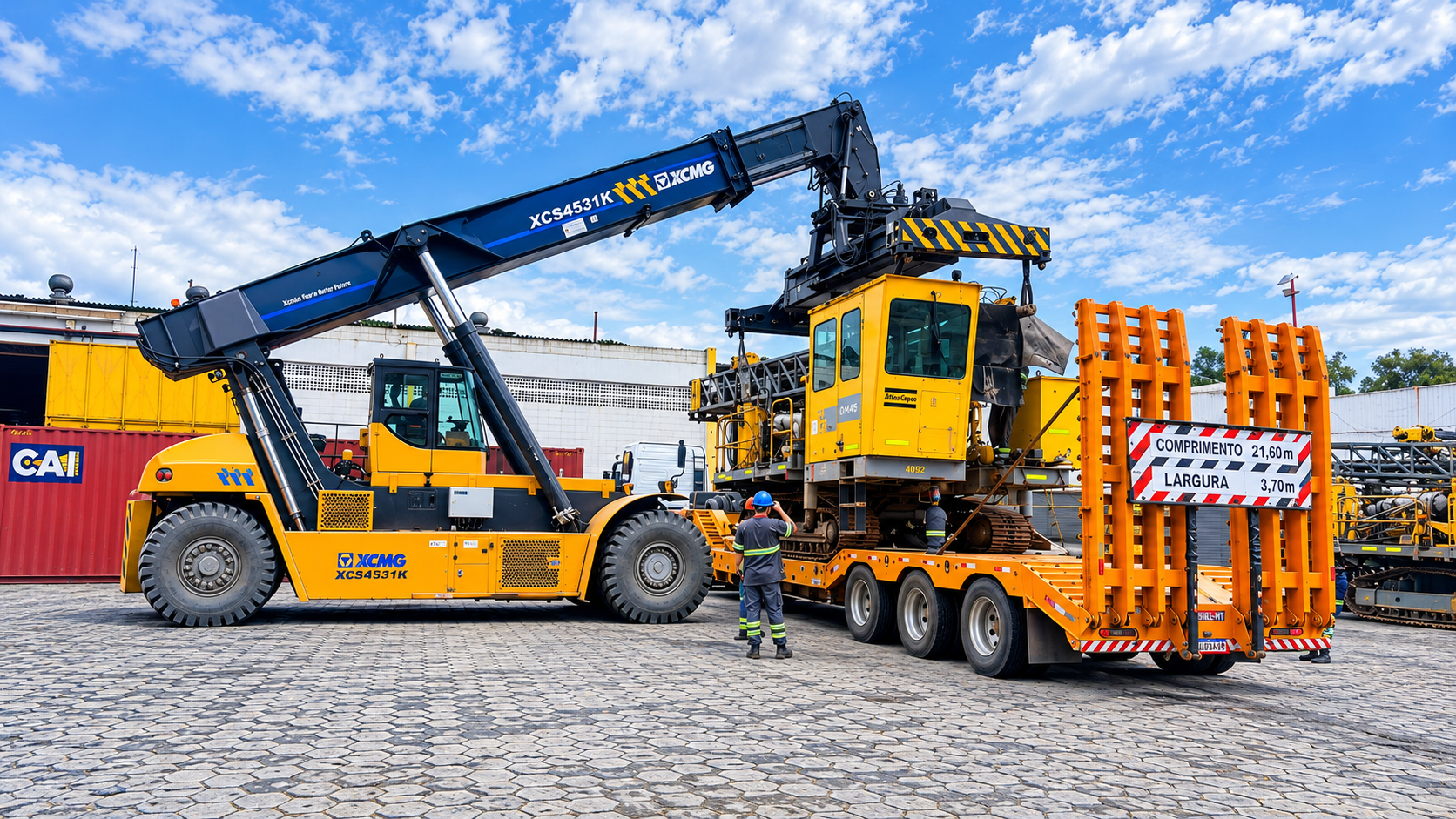
SCL coordinated the movement of the cargo from the Port of Moin to a nearby depot with sufficient space for the next stage of the project.
At this location, the client’s engineers will be able to work in a safe and suitable area to dismantle the pneumatic separator. Reducing the machine’s transport height will allow the cargo to comply with the dimensional restrictions of the inland route and prepare it for the final movement to Guanacaste.
This approach transforms a route limitation into a planned technical stage of the operation, integrating port handling, temporary positioning, engineering work, and the subsequent inland move.
How Will the Final Delivery Be Completed?
Once the separator has been dismantled to the configuration required for inland transportation, the resulting sections will be prepared for movement from the near-port facility to Guanacaste.
The final stage will be coordinated according to the dimensions of the separated components and the requirements of the route, completing the project from origin in Cantabria through the Port of Bilbao, Puerto Moin, and finally the client’s destination in Guanacaste.
Project Details
| Item | Details |
| Cargo | Pneumatic separator |
| Origin | Salces, Cantabria, Spain |
| Port of Loading | Bilbao, Spain |
| Port of Discharge | Moin, Costa Rica |
| Final Destination | Guanacaste, Costa Rica |
| Gross Weight | 16,400 kg / 16.4 metric tons |
| Dimensions | 7.80 x 4.80 x 5.00 m |
| Critical Dimension | 5.00 m overall height |
| Primary Challenge | Bridge-clearance restrictions prevent inland
transportation as a single unit |
| Planned Solution | Transfer to a near-port depot for controlled
dismantling before final inland transportation |
| Ocean Distance | Approximately 13,300 km |
| Current Status | In execution |
| Total Project Distance | More than 13,700 km once final delivery is
completed |
| Partner in Spain | IPC |
|
Scope |
Origin pickup, inland transportation in Spain, ocean transportation, near-port transfer, coordination for dismantling, and final inland
delivery |
This project shows how SCL Project Cargo adapts the transport strategy when dimensional restrictions make a standard inland movement impossible, combining international transportation with a practical engineering-led solution at destination.