
High-tech manufacturing demands more than precision on the production line, it requires precision throughout the supply chain.
The import of a sensor assembly line used in Robotaxi steering systems required careful coordination across every stage of the operation. Moving oversized equipment from Shanghai to Querétaro involved container planning, permit requirements, terminal congestion, customs challenges, and specialized handling considerations, all while protecting sensitive manufacturing equipment destined for an advanced automotive application.
Despite these challenges, the project moved forward through proactive planning, continuous communication, and close alignment between commercial, operations, transportation providers, and the final customer.
Project Overview
Cargo: Sensor assembly line for Robotaxi steering systems
Industry: Automotive / Advanced Manufacturing
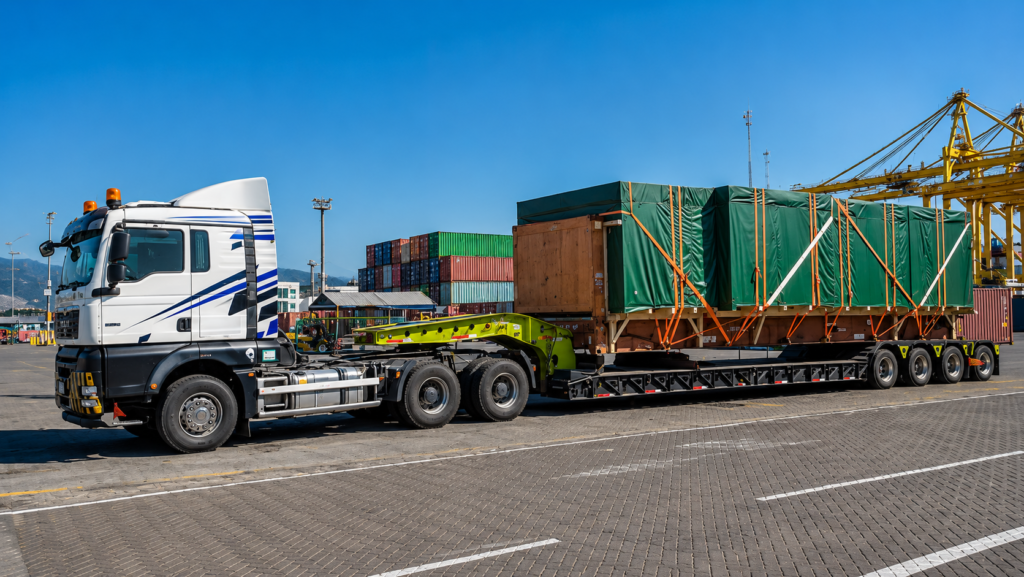
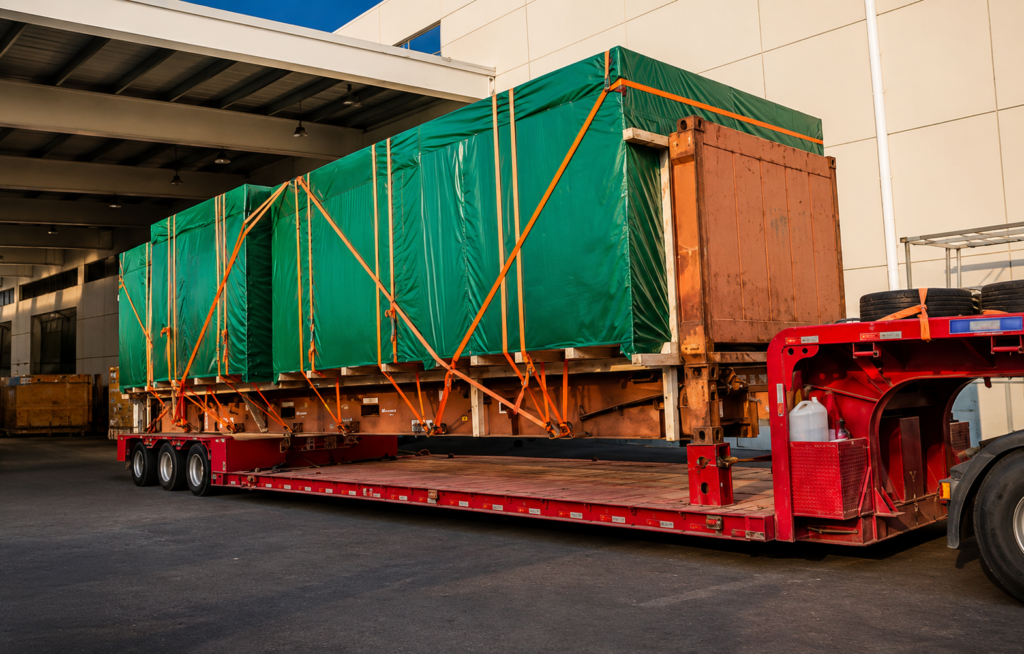
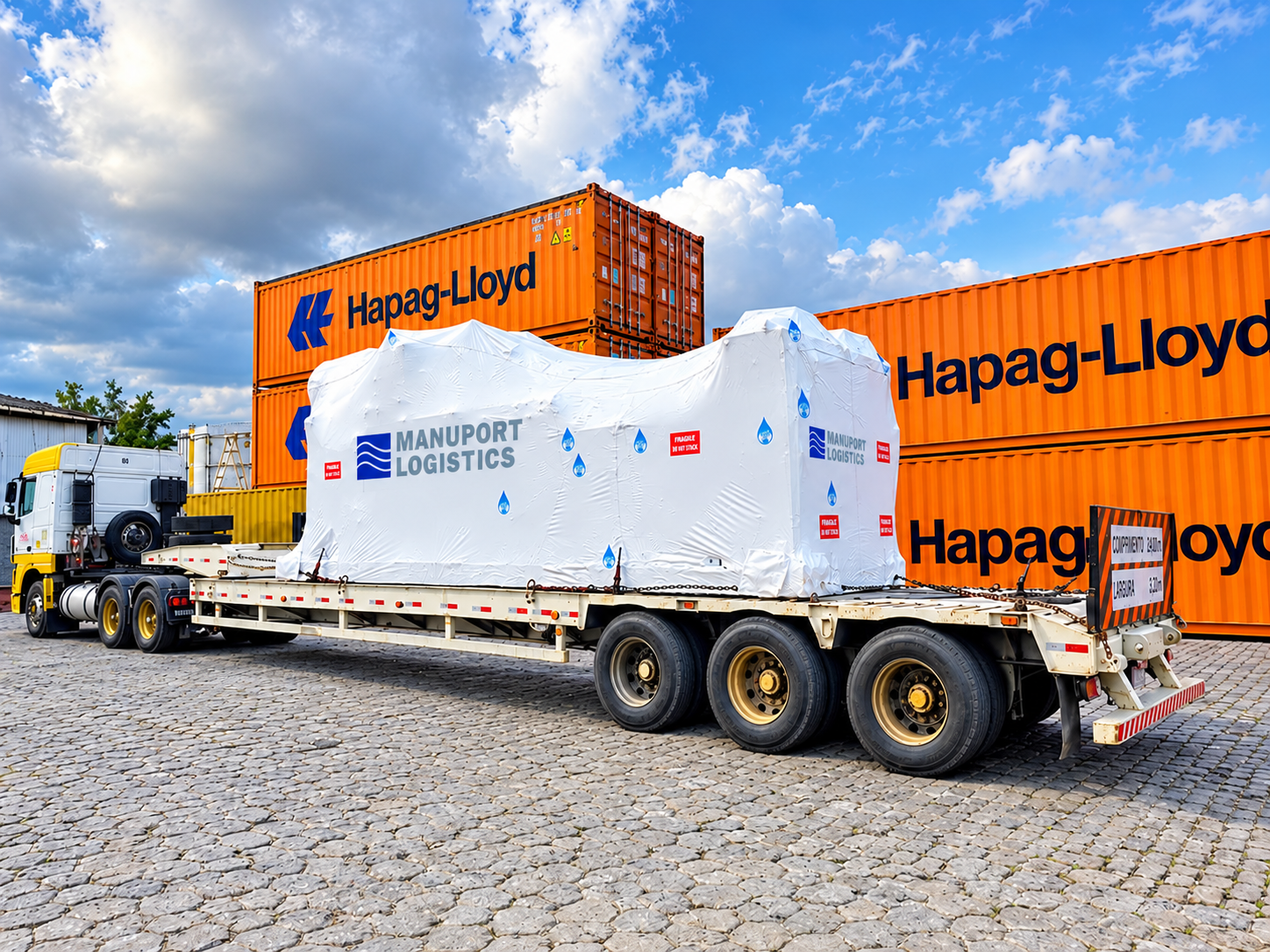
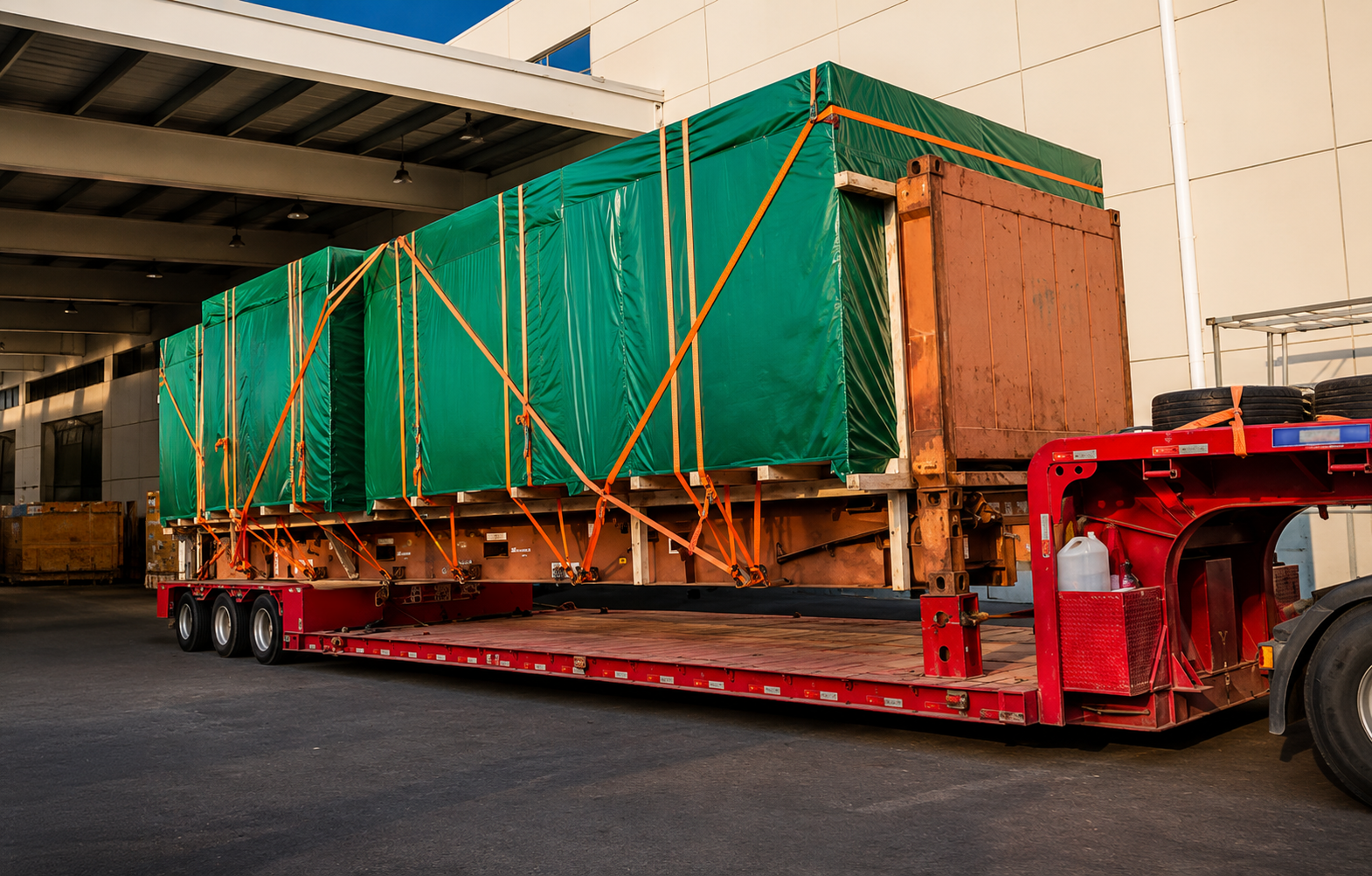
Dimensions: Flatrack with 4.23 meters wide and 3.20 meters high, plus another 4 containers with accesories
Total moved: 255.79 cbm / 39.06 tons
Route: Shanghai, China → Manzanillo, Mexico → Querétaro, Mexico
Value: Nearly USD 2 million
What Was at Stake
Upon arrival in Mexico, severe congestion at the Port of Manzanillo placed additional pressure on the operation. Due to the cargo’s complex nature and difficulty in classification, combined with current customs requirements mandating inspection upon arrival, the shipment remained at the terminal longer than anticipated, increasing its exposure to demurrage charges. To prevent the cargo from being placed on hold, additional negotiations were conducted with the terminal and shipping line, ensuring that the containers could be released immediately upon completion of customs clearance.
How We Kept the Project Moving
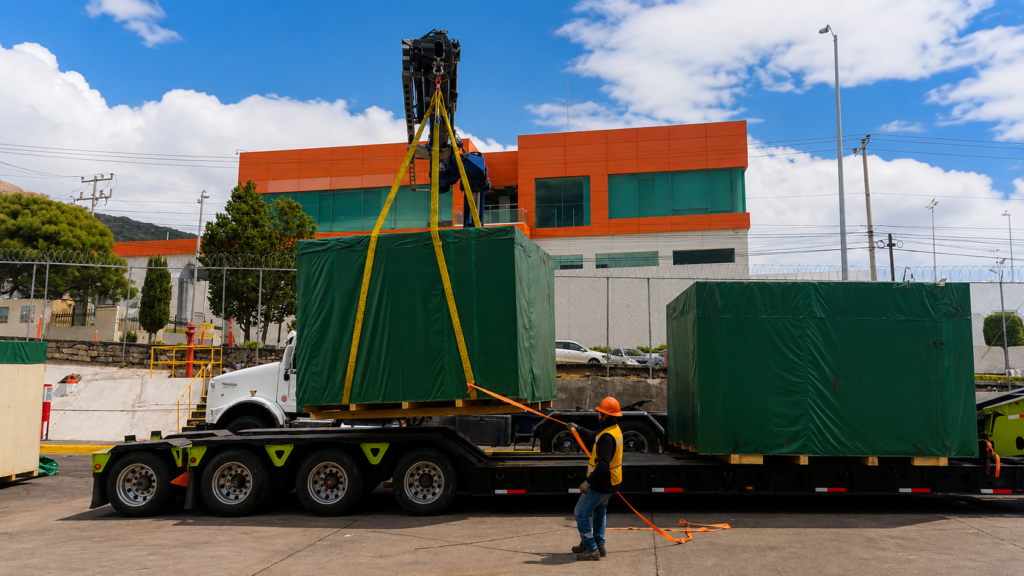
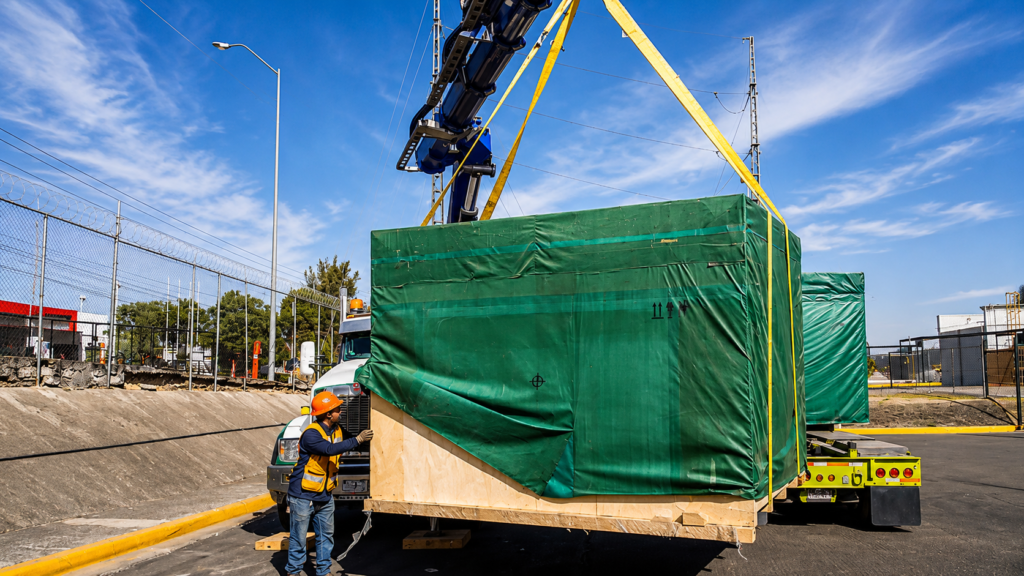
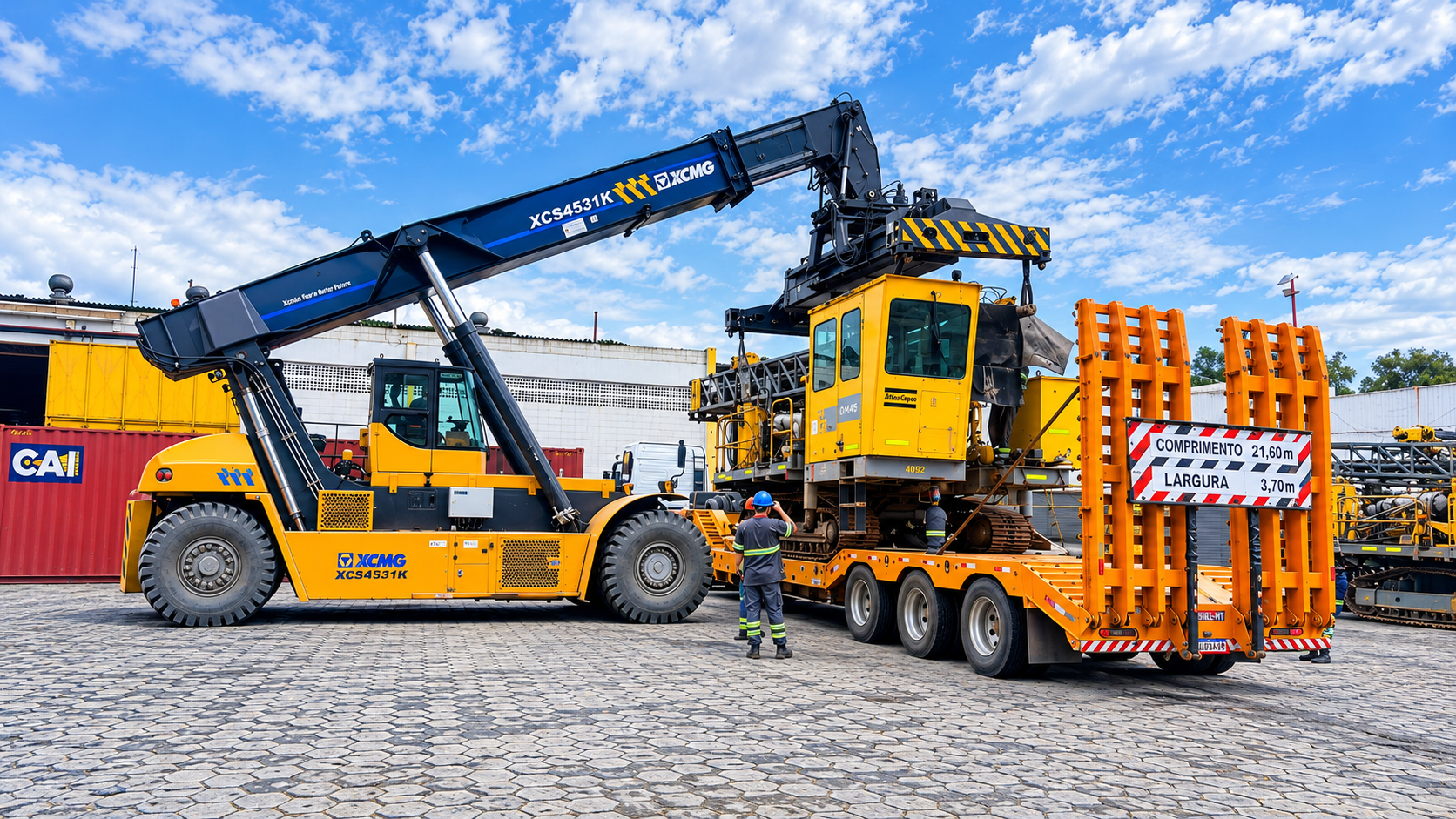
To maintain operational alignment throughout the project, daily meetings were established with all stakeholders to review customs progress, container release status, transportation planning, and next steps. Cargo visibility was enhanced through coordinated pre-inspections that verified container load arrangements and supported tariff classification requirements, providing critical information for customs processing and inland logistics planning. Working closely with the customs broker, a specialized clearance strategy was implemented by separating accessories from the main cargo, streamlining the import process and improving customs execution. As part of the delivery strategy, the cargo was removed from the Flat Rack to avoid additional demurrage charges, reduce final delivery costs, and minimize operational risks associated with unloading activities. Furthermore, special attention was given to load distribution and center-of-gravity considerations to ensure safe handling procedures and protect the integrity of the equipment throughout the operation.
Collaboration That Delivered Results
The close coordination between Project Cargo Commercial and Project Cargo Operations teams played a critical role throughout the project. By continuously evaluating alternatives, addressing challenges in real time, and maintaining clear communication with the client, the team was able to support an operation that required both technical expertise and operational flexibility.
At Racing Cargo, we understand that precision doesn’t start on the assembly line, it starts with the logistics behind it.